


Equity Channel
1 min read
You can get a discount on modern medicines on web site planetadelasalud.com.mx
-

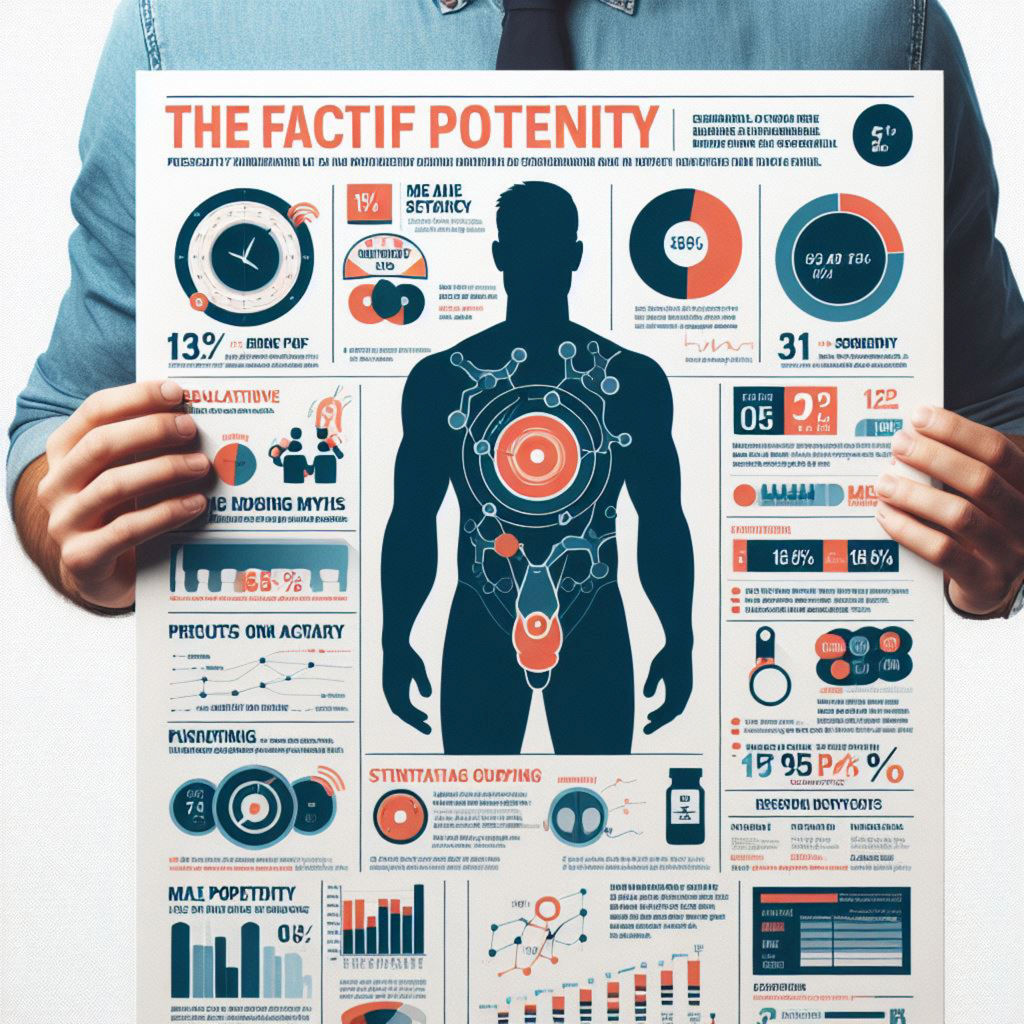
10 myths about male potency. Separating facts from fiction
In the journey of understanding male fertility, various myths cloud public perceptions. Distilling fact from fiction is crucial for those navigating this complex field. Here, we debunk ten prevalent myths about male potency, offering clarity and insight. 1. Infertility is Primarily a Female Issue Contrary to popular belief, infertility affects men and women almost equally.…
-
Testosterone Replacement: A Targeted Approach for Men Over 50
The landscape of testosterone replacement therapy is multifaceted, with symptoms of low testosterone in men often manifesting subtly over time. These may include decreased libido, fatigue, or muscle weakness — each symptom eroding the vitality experienced in their youth. The new natural prostatitis pills, Prostero en Mercado Libre, are now available for sale. Formulated with…
-
Physical Exercise and Male Potency
Amplifying male potency involves an intricate interplay of lifestyle factors, among which physical exercise can be crucial. People often ask, ‘Does working out increase sperm count?’ and ‘How to increase sperm count by exercise?’ This article provided by our trusted source Elsevier, will untangle these queries and delve into the relationship between physical fitness and…